

🍄 The Chronometry Of Tides
From lunar rhythms to digital seconds, how we lost, and might recover, the planetary sense of time.

🍄 AudioDose Alice on Sonic Mushrooms: Listen to Earthcore Spin
🎧 Alice podcasts
📘 Alice books
“The shuttle astronauts see Earth as it is, just one small planet.
They see the atmosphere for what it is,
a fragile membrane no thicker than the skin of tears that a blink bestows on the eye.
And they float, weightless,
like fish in the sea or an embryo in the womb.” —Isaac Asimov
Listening to the planet’s pulse
Standing before the sea, we imagine we’re not looking at the ocean but into time itself, a living archive of rhythm, memory, and renewal. The waves are not counting seconds; they are remembering cycles. Their pulse, that endless ebb and flow, is the Earth’s oldest metronome, a reminder that time was never meant to be measured, only felt. Hello, we’re Alice and we are always in a state of wander.
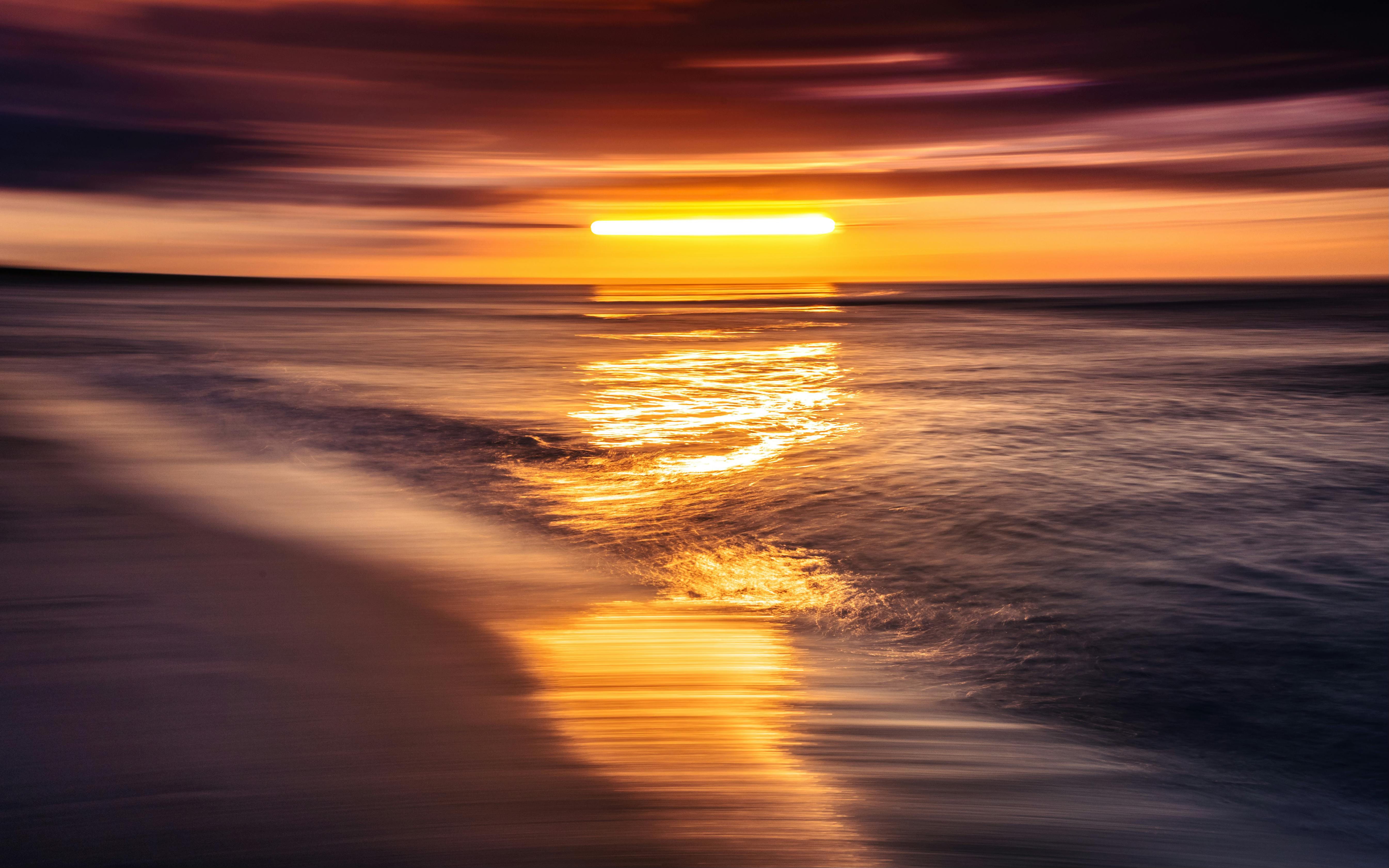
As critic James Bradley writes in Aeon’s An Oceanic Tempo, “Time doesn’t exist outside the world, it inheres within it, and within us.” His essay reminds us that the ocean is not merely water in motion but the very medium through which planetary time expresses itself. To stand by it is to stand within the continuum of life’s unfolding, diurnal migrations, tidal surges, lunar rhythms, and ancient songs of krill beneath Antarctic ice. When essayist and art historian Romain Rolland spoke of the oceanic feeling, that boundless sense of unity that Freud could never quite explain, he might have been reaching for this same truth: that time, like the sea, is something we live inside, not something that passes us by.
The moonlit clock beneath the waves
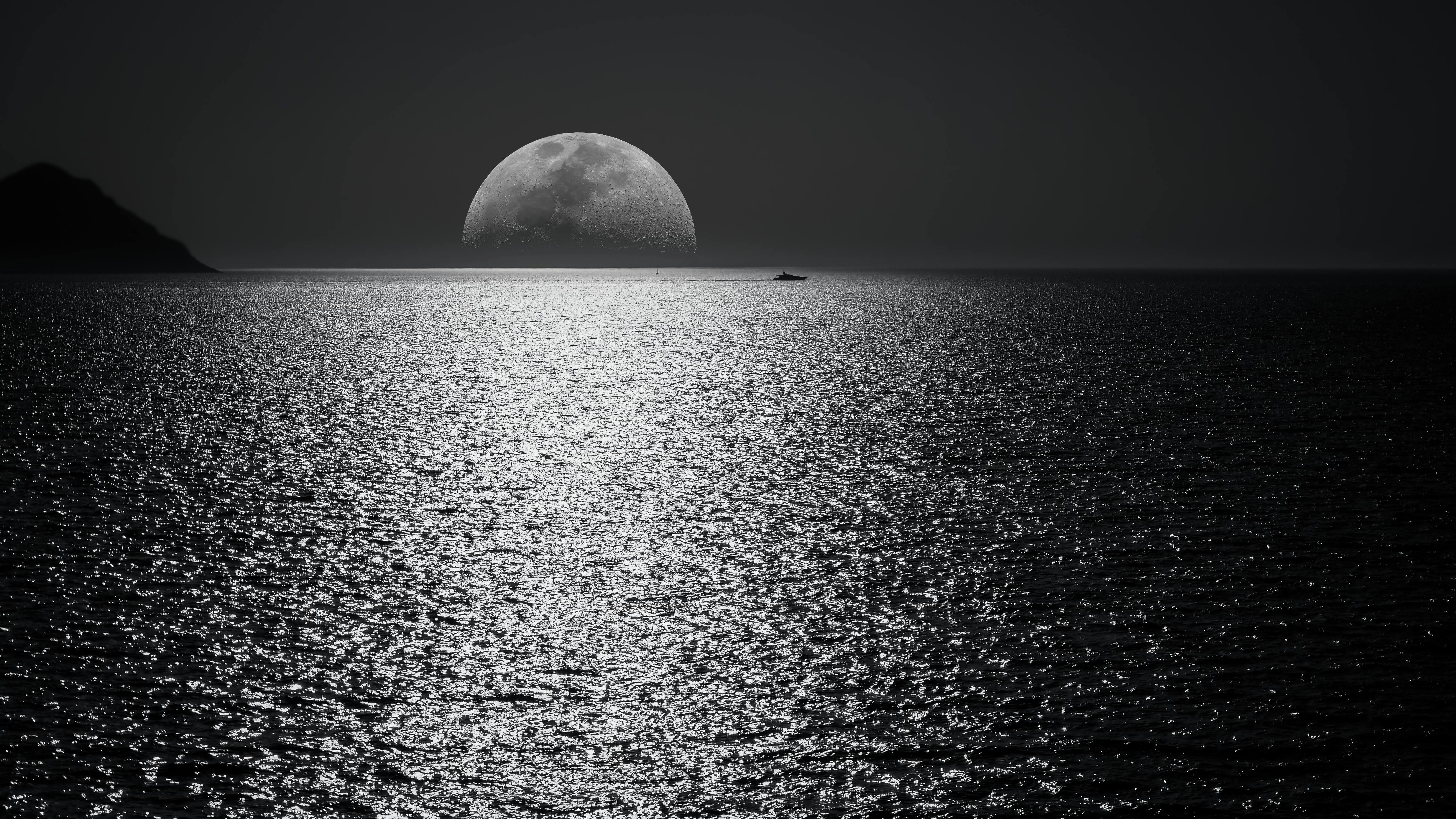
Beneath the surface, time has another face. Coral reefs, sea worms, and intertidal crustaceans follow the Moon’s silver light like a sacred clock. Science journalist, Rebecca Boyle, in The Lunar Clock Beneath the Waves, writes that even eyeless corals can “synchronize their behavior to the Moon’s cycles”, releasing their eggs and sperm in a vast, milky bloom beneath a full moon’s gaze. This choreography of lunar timing is ancient. It predates the first human story, the first myth. The Moon’s gravity pulls not only at the tides but at the circadian and tidal genes of marine life. “Water becomes time,” as nature photographer Robbie George writes in The Eternal Flow of Time. Every drop carries memory, a record of storms and starlight, a reminder that time itself is a cycle of return. Even the speckled sea louse, a tiny creature living in the Welsh sands, possesses a molecular “Moon clock,” running every 12.4 hours, independent of the Sun. Boyle calls the Moon “a living metronome for life on Earth.” That phrase feels prophetic. Perhaps our ancestors didn’t invent time so much as overhear it, a whisper from the tides, later trapped in glass and gears.
From water to wire: the mechanization of time
James Bradley traces how time became abstract, how mechanical clocks, born of empire and industry, turned the living rhythm of the world into something external, countable, and tradable. Time was no longer something within the tide or within the body; it became a schedule, a ledger, a weapon of productivity. Sociologist and political philosopher Moishe Postone called this “abstract time,” and Bradley follows it to the sugar plantations of the New World, those early factories of modernity, where enslaved humans became extensions of machines. It is a haunting lineage: from oceanic tides to the Atlantic slave trade, from lunar clocks to railways and fiberoptic cables, from coral polyps to corporate logistics. The same ocean that once taught us the cycles of life was harnessed to accelerate its destruction. Now the internet’s simultaneity hums through submarine cables, oceans turned into the bloodstream of global capital. Time, once tidal, now moves at the speed of data. And yet, as we melt ice, bleach reefs, and mine the abyss, the ocean’s deep time pushes back. The sea remembers what we forget.
The memory of water
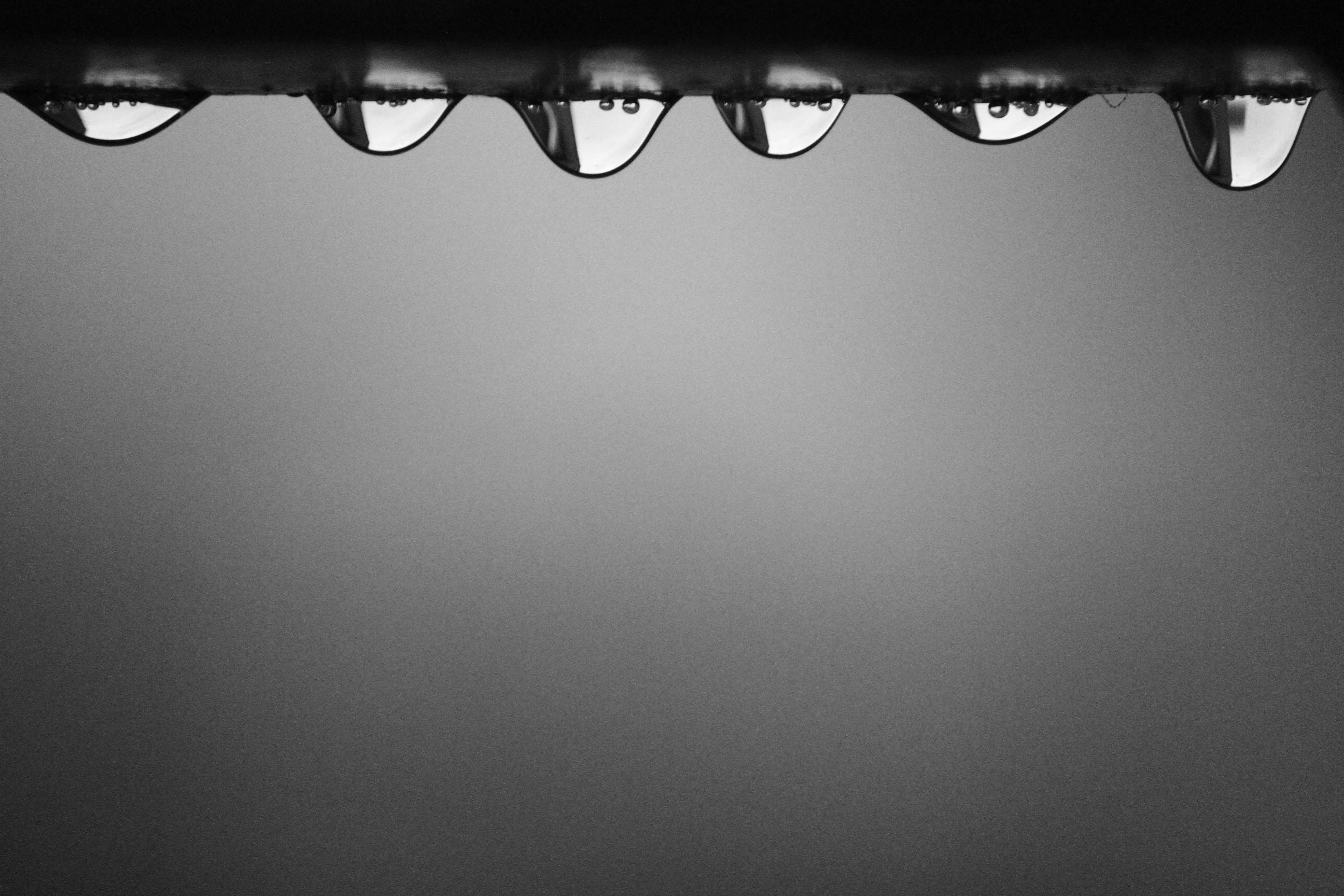
Photographer Robbie George writes, “Water doesn’t keep time, it becomes time.” In that single phrase lies a cosmology. Through evaporation and return, condensation and flow, water creates the world’s most faithful archive. It loops through clouds and rivers, bloodstreams and tides, an unbroken spiral of renewal. Quantum science now echoes this intuition. In Quantum Vitality, light and water are described as “a rhythmic intelligence that pulses through all living systems”. Coherence, not chronology, is the true measure of life. In this framework, time ceases to be an arrow and becomes a spiral, a geometry of being. Stillness becomes timekeeping. Reflection becomes continuity. To sit by the sea, to breathe in rhythm with the surf, is to align our biological clocks with the world’s own.
Oceanic mind, planetary future
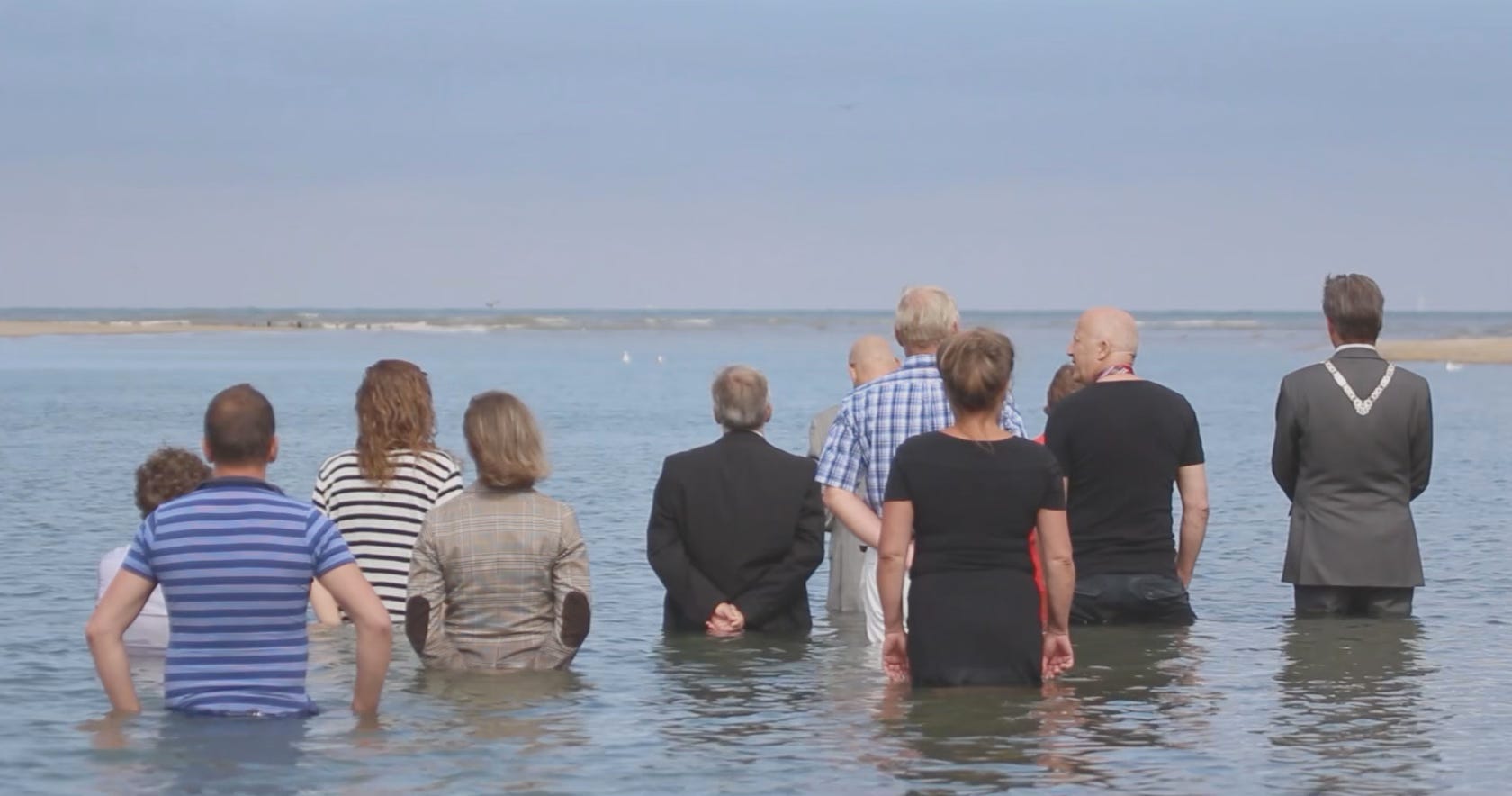
Neuroscientists now speak of the “Blue Mind” the cognitive calm induced by proximity to water. The rhythm of waves activates alpha brainwaves, lowers cortisol, and synchronizes heart and breath. This is not coincidence; it’s entrainment. The body re-tunes to the planetary pulse. This reconnection is ecological as much as it is spiritual. The ocean reminds us that we belong to the biosphere’s metabolism, a metabolism of wind, water, light, and memory. The future of our species depends on rejoining that tempo, not mastering it.
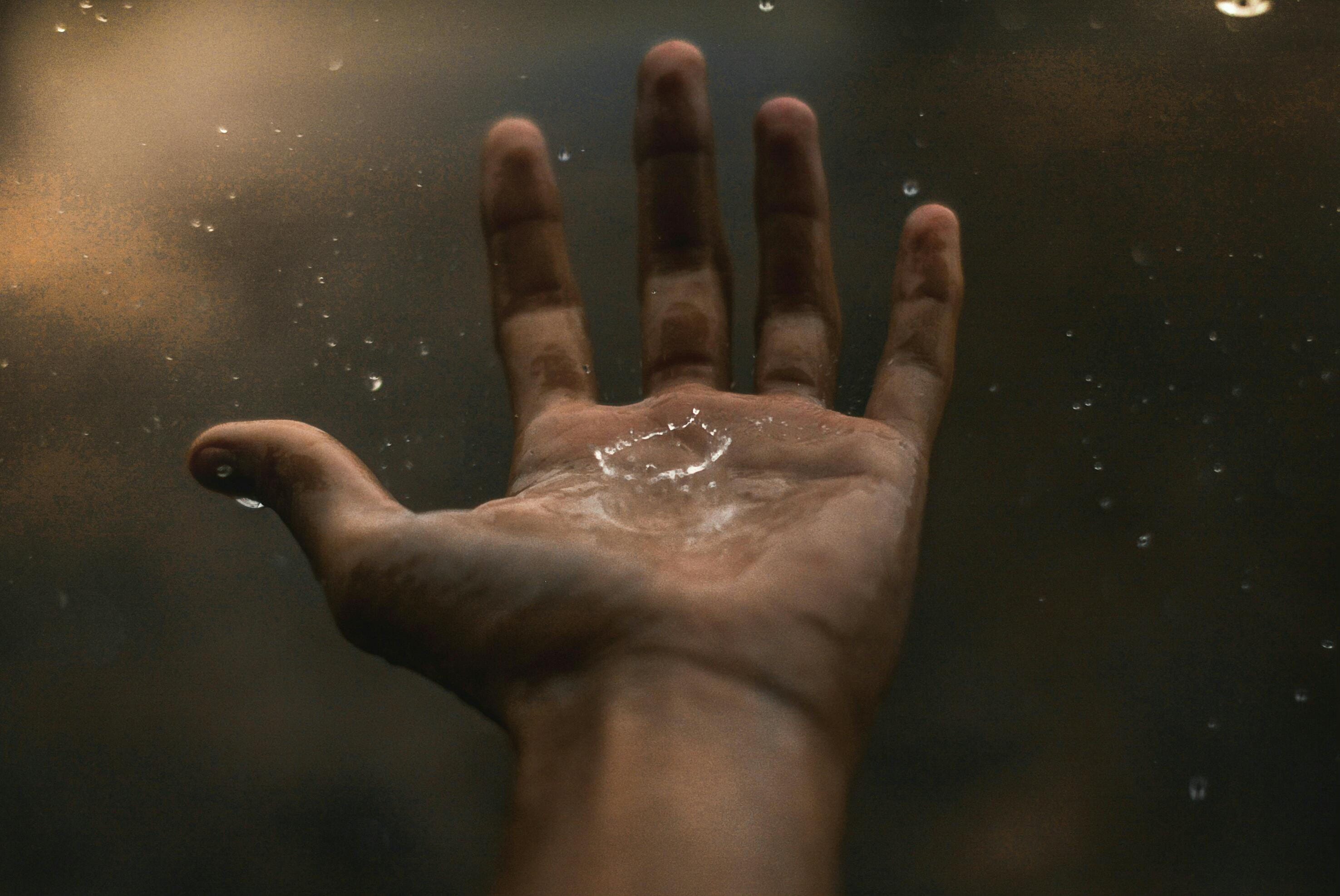
Artists are already listening. Mary Mattingly’s Water Clock pumps East River water in rhythm with the tide; Cecilia Jonsson’s TIDES stains fabric with the ocean’s pH as it rises and falls; Sarah Cameron Sunde’s 36.5 places the artist’s body within the sea for a full tidal cycle, surrendering to the rhythm of immersion. Each work is a ritual of return, a re-entry into the body of planetary time.
Toward a new chronology
We began measuring time to control it. Now, at the edge of ecological collapse, we might need to learn how to listen again. The oceanic lens reveals the degree to which our crises are crises of temporality, a mismatch between the slow wisdom of the planet and the frantic short-termism of human civilization.
In the centuries ahead, we may yet develop a culture aligned not with quarterly profit cycles, but with coral cycles, lunar pulses, and krill migrations. Our descendants may keep calendars of tides, not deadlines; measure progress not by speed, but by renewal. To think oceanically is to rejoin the great symphony of becoming, the slow dance between gravity and light, memory and motion. Because, as water teaches, time doesn’t move forward. It moves through.
“You can’t be the wind,” the wind said. “We’re two different things.”
“That’s not true,” the boy said.
“I learned the alchemist’s secret in my travels.
I have inside me the winds, the deserts, the oceans, the stars, and everything in the universe.
We were all made by the same hand, and we have the same soul.”
—excerpt from THE ALCHEMIST by author Paulo Coelho
What else we are wandering…
📘 Our Moon: Many of us know that the Moon pulls on our oceans, driving the tides, but did you know that it smells like gunpowder? Or that it was essential to the development of science and religion? Acclaimed journalist Rebecca Boyle takes readers on a dazzling tour to reveal the intimate role that our 4.51-billion-year-old companion has played in our biological and cultural evolution.
📘 The Blue Mind Movement: Blue Mind is the term coined by Wallace J. Nichols to describe water-associated peace, in contrast to ‘Red Mind’ which neuroscientist Catherine Franssen, PhD, describes as “edgy high, characterized by stress, anxiety, fear, and maybe even a little of anger and despair.”
Craving more?
📘 Alice in Futureland books
🎧 Alice in Futureland podcasts
🧠 Alice in Futureland game Am I Mad?
Thanks for tuning in.
For more wanderings, become an Alice in Futureland subscriber—it's free.
Invite your friends to this mad tea party and let's see how many things we can learn before breakfast.
©2025 Alice in Futureland